- sophiaguo@sbmsolartech.com
- Home
- product
- Energy Storage System
- Solar Lights
- Other Solar Products
- Application
- Project
- About Us
- Blog
- Contact
Post time: 2026-06-04 17:21:18
Across Africa, diesel generators have long been the primary solution for unreliable grid power and off-grid electricity supply. From factories and telecom towers to hotels, farms, hospitals, and mining operations, diesel generators are widely used to keep businesses running during power outages.
However, rising fuel prices, increasing maintenance costs, and growing demand for clean energy are pushing many African businesses to look for more cost-effective and sustainable alternatives.
Today, Battery Energy Storage Systems (BESS) are becoming one of the most effective ways to reduce diesel consumption, lower operational costs, and improve power reliability across Africa.
Many African countries continue to face challenges such as: · Unstable national grids · Frequent blackouts · Voltage fluctuations · Limited rural electrification · High electricity tariffs As a result, businesses often rely heavily on diesel generators for backup or primary power generation.
Industries with especially high diesel usage include: · Manufacturing plants · Hotels & resorts · Telecom base stations · Mining operations · Agricultural farms · Cold storage facilities · Commercial buildings · Remote microgrids While diesel generators provide immediate backup power, long-term operational costs can become extremely expensive.
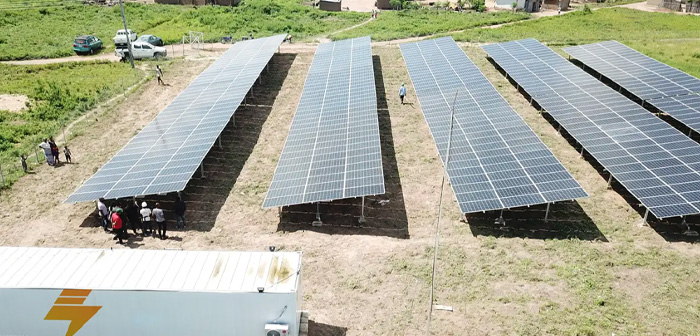
Many businesses initially focus only on the purchase price of generators, but the real expense comes from long-term operation.
Major Diesel Generator Costs Include:
1. Fuel Consumption Diesel prices in many African countries are highly volatile and continue to rise. For large facilities running generators daily, fuel can become one of the biggest operational expenses.
2. Generator Maintenance Diesel generators require: · Oil changes · Filter replacements · Engine servicing · Cooling system maintenance · Spare parts replacement Frequent use significantly increases maintenance costs and equipment wear.
3. Downtime Risks Generators may fail during extended operation or poor maintenance conditions, causing: · Production losses · Equipment damage · Business interruptions For industries such as telecom, healthcare, and manufacturing, downtime can be extremely costly.
4. Noise & Environmental Impact Diesel generators create: · High noise levels · Carbon emissions · Air pollution Many businesses are now seeking cleaner energy alternatives to meet sustainability goals.
Battery Energy Storage Systems (BESS) work by storing electricity from: · Solar PV systems · The utility grid · Diesel generators · Hybrid energy systems The stored energy can then be used when needed, reducing generator runtime and fuel consumption.
1. Reducing Generator Operating Hours One of the biggest advantages of ESS is reducing the amount of time diesel generators need to run. Instead of operating continuously, generators can: · Run only during peak demand · Operate at optimal efficiency · Charge batteries when necessary The battery system supplies power during lower load periods or outages. This significantly reduces fuel consumption.
2. Solar + Battery + Diesel Hybrid Systems In Africa, one of the most popular solutions is the hybrid microgrid system:Solar PV + Battery Storage + Diesel Generator During daytime: · Solar panels supply power · Excess energy charges the battery At night or during cloudy periods: · Battery storage supplies electricity The diesel generator operates only when necessary. This setup can dramatically reduce diesel fuel usage while improving power stability.
3. Peak Shaving for Commercial Facilities Commercial and industrial users can use ESS for peak shaving. During periods of high electricity demand: · The battery system discharges power · Reduces peak load on generators or the grid This lowers: · Fuel costs · Electricity demand charges · Generator stress Peak shaving is especially valuable for factories, hotels, shopping malls, and processing plants.
4. Improving Generator Efficiency Diesel generators are often inefficient when operating under low loads. Battery storage allows generators to: · Run closer to optimal load levels · Avoid inefficient light-load operation · Reduce carbon buildup and wear This improves overall fuel efficiency and extends generator lifespan.
5. Lower Maintenance Costs Because generators run fewer hours: · Oil changes become less frequent · Engine wear decreases · Maintenance intervals become longer This can substantially reduce annual operating expenses.
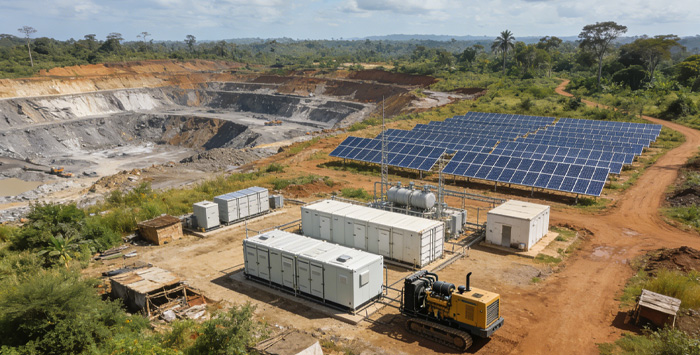
Battery storage adoption is accelerating across Africa because of several major trends:
Rising Diesel Prices Fuel transportation and import costs continue to increase across many African regions.
Expansion of Solar Energy Africa has some of the world’s best solar resources, making solar + storage systems highly attractive.
Increasing Power Demand Rapid urbanization and industrial growth are increasing pressure on national grids.
Falling Lithium Battery Costs LiFePO4 battery technology has become more affordable and reliable in recent years.
Manufacturing & Industrial Facilities Reduce fuel costs and avoid production downtime. Telecom Infrastructure Lower operating costs for remote telecom towers. Hotels & Resorts Provide quiet and stable backup power for guests. Agricultural Farms Power irrigation systems, cold storage, and processing facilities. Mining Operations Reduce generator dependence in remote locations. Commercial Buildings Lower electricity bills and improve energy reliability.
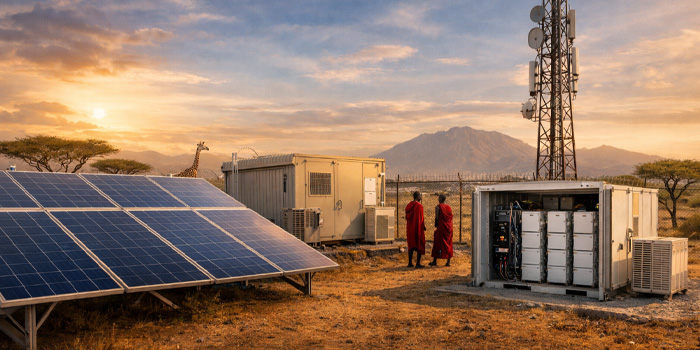
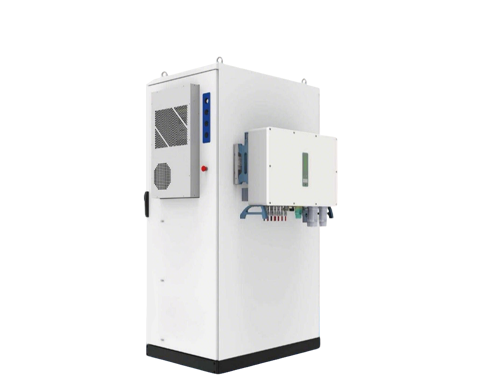
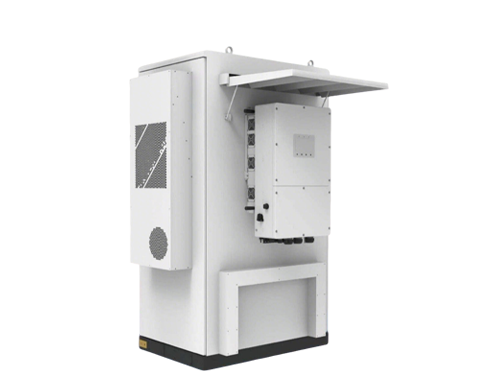
African environments often involve: · High temperatures · Dusty conditions · Remote project locations Liquid-cooled Battery Energy Storage Systems provide: · Better temperature control · Higher system efficiency · Longer battery lifespan · Improved reliability · Lower thermal stress Compared with traditional air-cooled systems, liquid cooling is increasingly preferred for large commercial and industrial projects in Africa.
As renewable energy adoption continues to grow, Battery Energy Storage Systems will play a critical role in Africa’s energy transition. More businesses are now realizing that ESS is not only an environmental solution — it is also a financial solution.
By combining: · Solar energy · Battery storage · Smart EMS control · Hybrid generator integration
African businesses can achieve: · Lower fuel costs · Better power reliability · Reduced maintenance Greater energy independence
Battery Energy Storage Systems are transforming how businesses across Africa manage energy costs and power reliability. By reducing diesel generator runtime and integrating renewable energy sources, ESS solutions help companies lower operational expenses while improving energy stability. For commercial, industrial, telecom, and microgrid applications, hybrid battery storage systems are becoming one of the most practical and cost-effective energy solutions for Africa’s rapidly growing markets. Businesses that adopt solar + storage solutions today will be better positioned for the future of Africa’s energy landscape.
Already Have Solar? How Philippine Factories Can Reduce Electricity Costs with Battery Storage Microgrid Battery Solutions for East Africa
Please fill out the form below to start chatting with the next available agent.
Start Chat
Polybrite Solar Co., Ltd.
Tel/Whatsapp: +0086 13611691077
Email: sophiaguo@sbmsolartech.com
Sales Office Add: No. 1688 East Gaoke Road, Shanghai, China
Headquarter Add: Songqiao Industrial Park at northern suburbs of Yangzhou, Jiangsu Province, China
PolyBrite Site: International | Indonesian