- sophiaguo@sbmsolartech.com
- Home
- product
- Energy Storage System
- Solar Lights
- Other Solar Products
- Application
- Project
- About Us
- Blog
- Contact
Post time: 2026-06-08 10:54:28
East Africa is experiencing rapid economic growth, increasing electricity demand, and expanding renewable energy investment. However, many regions still face unstable grid infrastructure, high diesel power costs, and limited access to reliable electricity. Microgrid battery energy storage systems (BESS) are becoming one of the most effective solutions for providing stable, affordable, and sustainable power across East Africa. From Kenya and Tanzania to Uganda, Rwanda, Ethiopia, and Somalia, microgrid ESS projects are transforming the way communities and businesses access electricity.
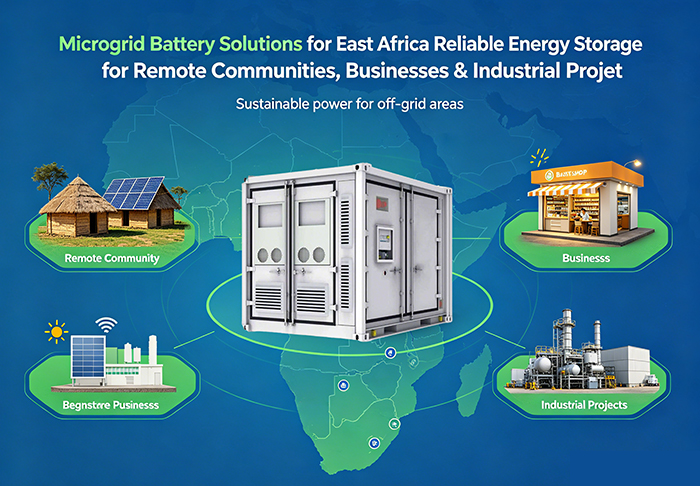
1. Limited Grid Infrastructure Many rural and remote areas in East Africa still lack stable grid access. Extending transmission lines to remote villages, mining operations, telecom towers, farms, and islands is often expensive and slow. Microgrids provide an independent local power system that can operate: · Off-grid · On-grid · Hybrid grid-connected Battery storage makes these systems far more stable and efficient.
2. High Diesel Generator Dependence Diesel generators remain common across East Africa, especially in: · Remote communities · Construction projects · Telecom sites · Factories · Hotels & resorts · Agricultural operations However, diesel power creates major challenges: · Rising fuel costs · Fuel transportation difficulties · High maintenance expenses · Noise pollution · Carbon emissions Battery storage systems reduce generator runtime dramatically, lowering operating costs and improving energy efficiency.
3. Excellent Solar Resources East Africa has some of the best solar irradiation levels in the world. Countries such as Kenya, Tanzania, and Ethiopia benefit from strong year-round sunlight. Combining: · Solar PV · Battery Energy Storage System (BESS) · Intelligent EMS · Backup generator creates a highly reliable hybrid microgrid solution.
A microgrid ESS stores electricity generated from: · Solar panels · Utility grid · Diesel generators · Wind power The system intelligently manages energy flow based on demand and generation conditions. During daytime: · Solar energy powers loads directly · Excess energy charges the batteries At night or during outages: · The battery system supplies stored power automatically This ensures: · Continuous electricity supply · Reduced diesel consumption · Lower electricity costs · Improved power quality
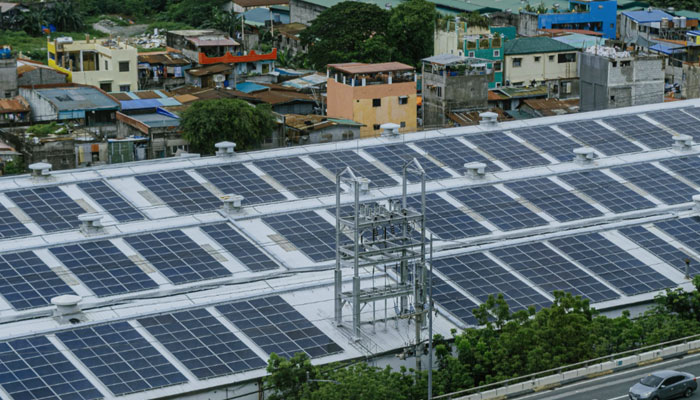
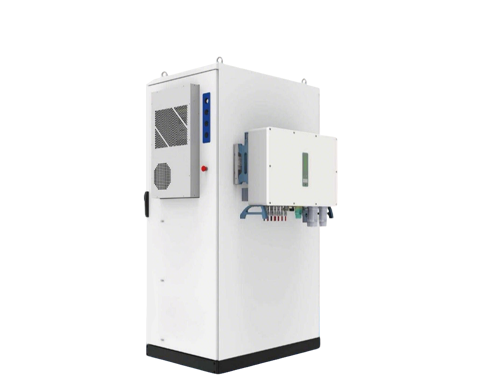
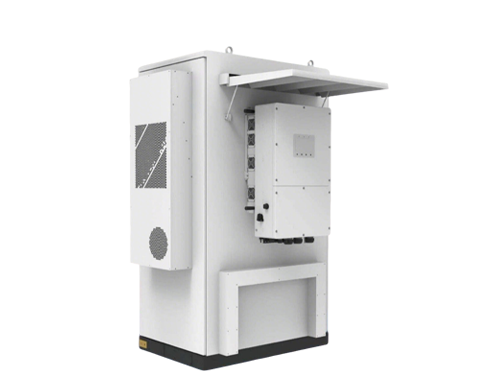
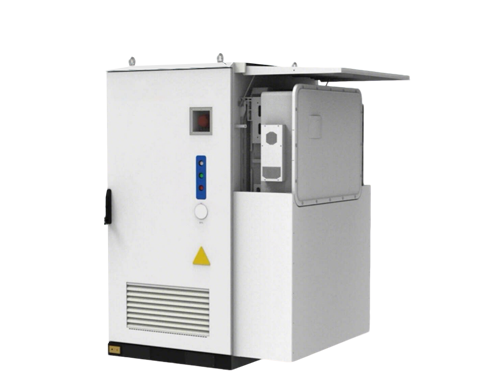
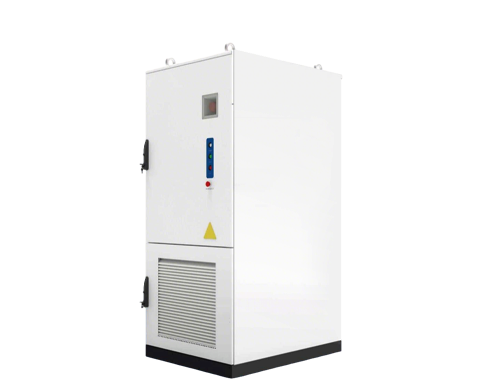
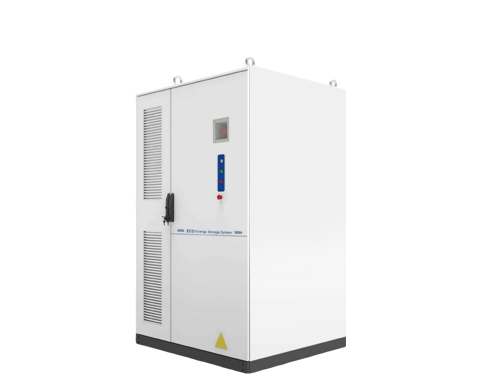
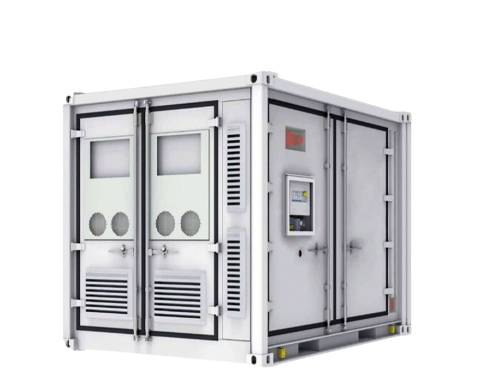
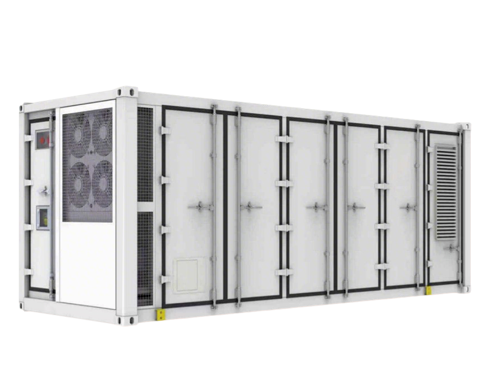
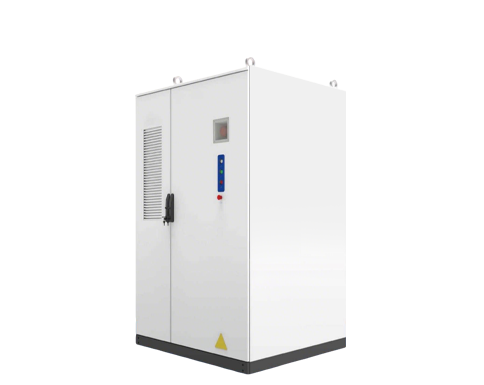
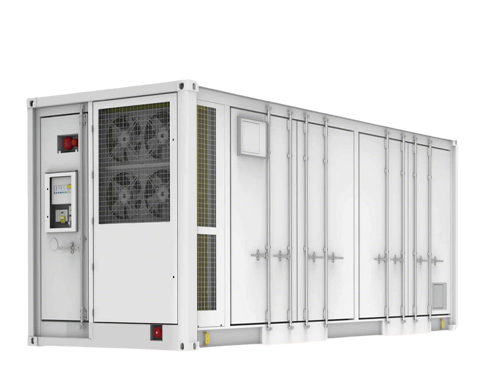
Commercial & Industrial ESS Popular configurations for East African projects include: 100kW – 500kW Hybrid ESS Ideal for: · Telecom infrastructure · Commercial buildings · Hotels & lodges · Farms · Schools · Hospitals 500kW / 1044kWh ESS Widely used for: · Factories · Mining operations · Industrial parks · Large commercial facilities · Remote industrial sites Containerized Battery Storage Systems Suitable for: · Utility-scale microgrids · Remote villages · Island electrification · Government infrastructure projects
· Reduce Diesel Fuel Costs Battery storage minimizes generator operating hours, helping businesses and communities reduce fuel expenses significantly. · Stable Power Supply Microgrids provide reliable electricity even in areas with unstable or unavailable utility grids. · Lower Electricity Costs Energy can be stored during low-cost periods and used during peak demand hours. · Scalable System Design ESS systems can be expanded easily as electricity demand grows. · Environmentally Friendly Hybrid solar + battery microgrids reduce carbon emissions and support clean energy development across Africa.
· Telecom Towers Telecom operators increasingly replace diesel-only systems with solar + battery hybrid solutions. · Mining Industry Remote mines require stable power for heavy equipment and continuous operations. · Agriculture & Irrigation Battery storage supports water pumping, cold storage, and agricultural processing. · Tourism & Resorts Hotels and safari lodges use microgrids to reduce diesel costs while improving sustainability. · Rural Electrification Governments and NGOs deploy microgrid ESS systems to provide electricity access for underserved communities.
Lithium Iron Phosphate (LiFePO4) batteries are widely preferred for East African projects because they offer: · High safety performance · Long cycle life · High temperature tolerance · Low maintenance · Reliable operation in harsh environments For African climate conditions, LiFePO4 technology delivers excellent long-term reliability.
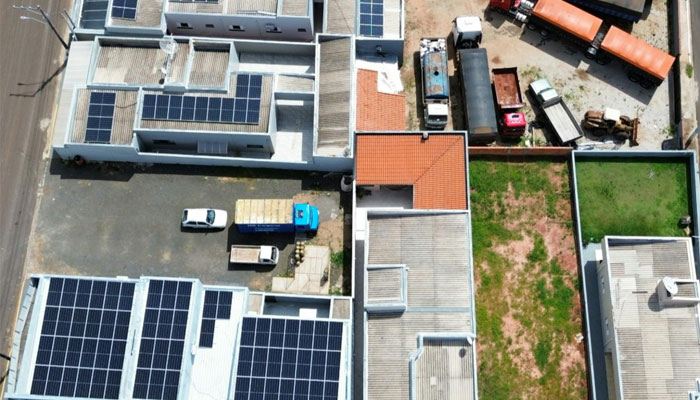
Advanced Energy Management Systems (EMS) help optimize: · Solar utilization · Battery charging/discharging · Generator scheduling · Peak load management · Remote monitoring This intelligent control improves overall system efficiency and reduces operational costs.
adoption increases and battery prices continue to decline, microgrid ESS solutions are becoming more affordable and widely deployed. Battery energy storage is now essential for: · Energy independence · Rural electrification · Industrial development · Sustainable economic growth Hybrid microgrids combining solar PV, battery storage, and smart EMS will play a key role in powering the future of Africa.
High-performance ESS systems for East Africa can help businesses, communities, and industrial users achieve: · Reliable electricity · Lower diesel costs · Reduced energy expenses · Sustainable power generation Whether for telecom, industrial, commercial, or rural electrification projects, modern battery storage systems provide a flexible and cost-effective energy solution for Africa’s growing power needs.
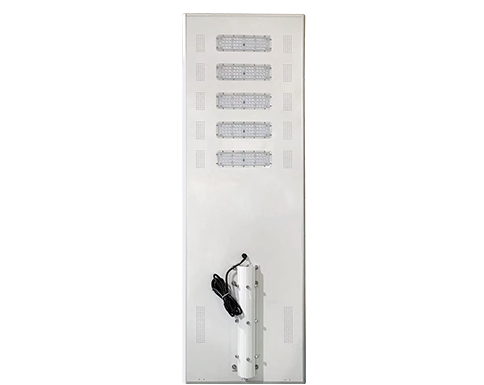
How Battery Storage Reduces Diesel Costs in Africa Best ESS Solution for Kenya Factories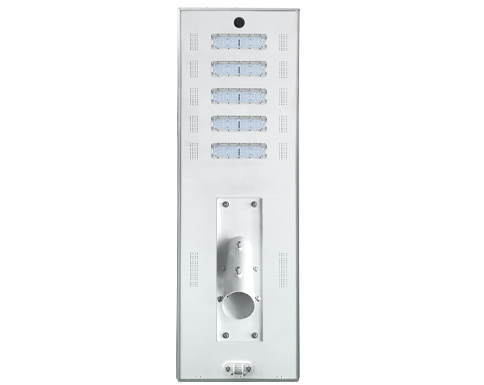
Please fill out the form below to start chatting with the next available agent.
Start Chat
Polybrite Solar Co., Ltd.
Tel/Whatsapp: +0086 13611691077
Email: sophiaguo@sbmsolartech.com
Sales Office Add: No. 1688 East Gaoke Road, Shanghai, China
Headquarter Add: Songqiao Industrial Park at northern suburbs of Yangzhou, Jiangsu Province, China
PolyBrite Site: International | Indonesian